About MonArc Expeditions
Travel Beyond Ordinary
Why MonArc
The most extraordinary places deserve to be experienced.
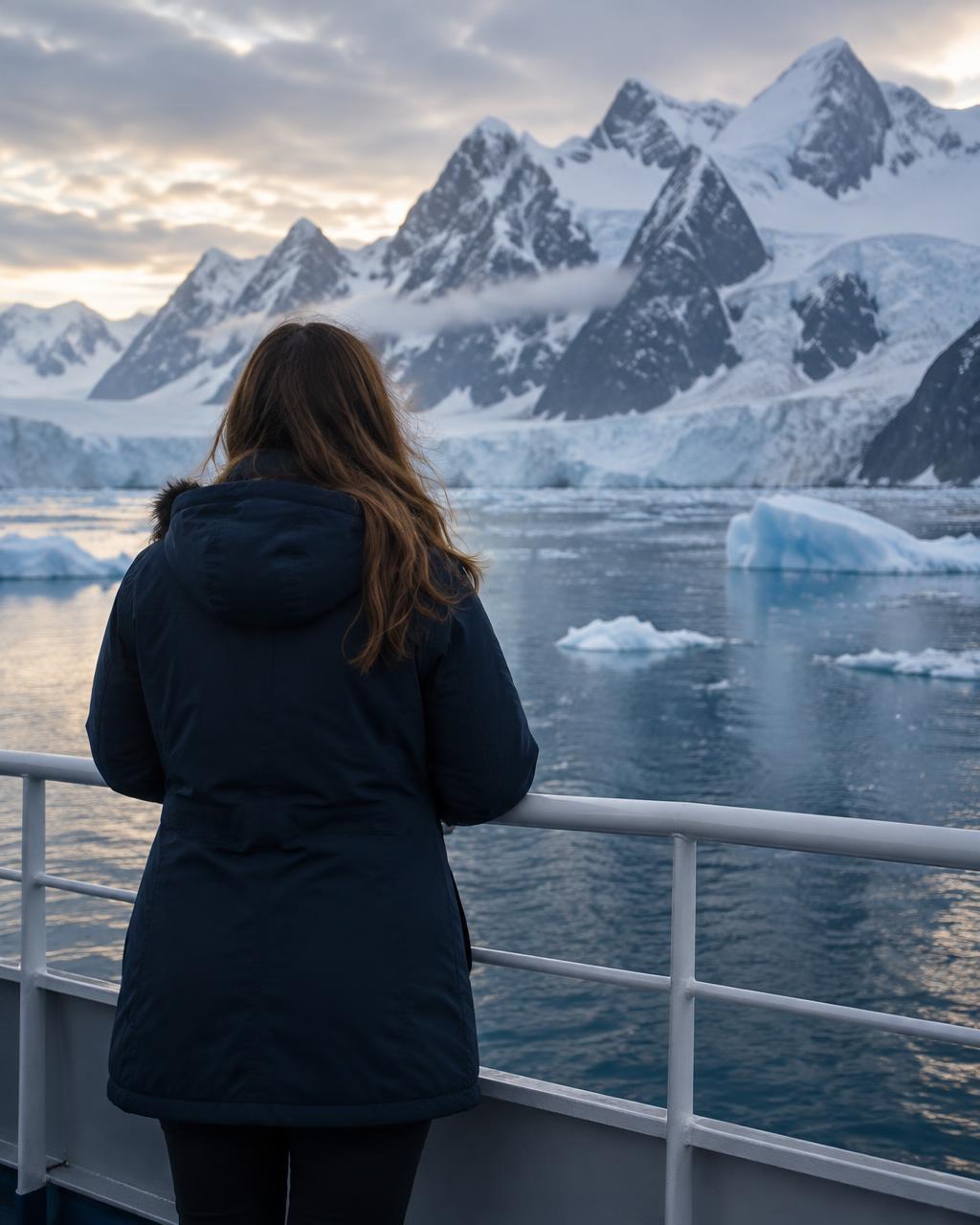
MonArc Expeditions was born from a simple belief: the most extraordinary places in the world deserve to be experienced, not just seen.
We specialize in journeys that take you beyond the familiar—to the remote, pristine corners of our planet where landscapes feel untouched, wildlife roams freely, and every day brings a sense of discovery.
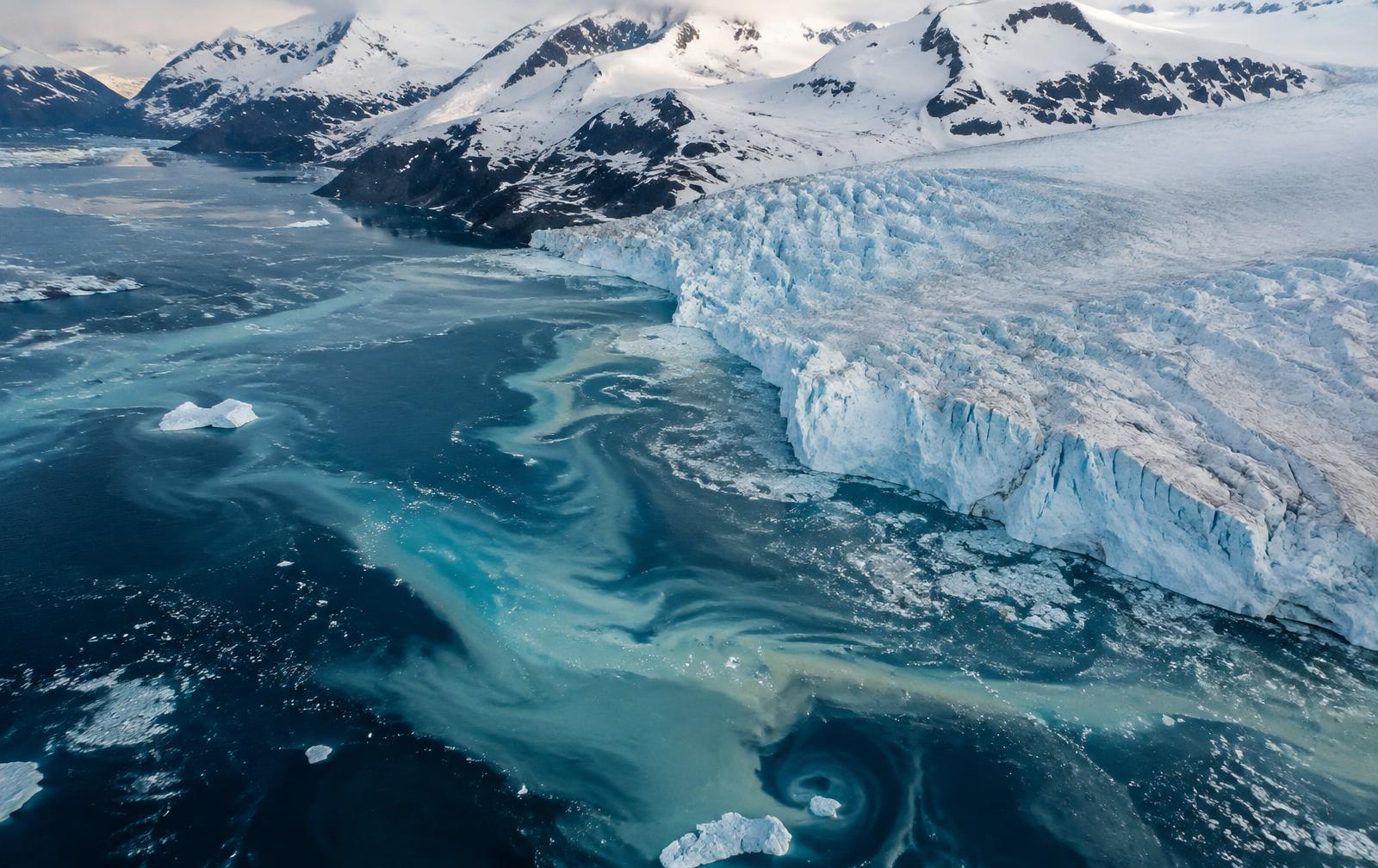
From the vast wilderness of Antarctica and the dramatic Arctic landscapes of Svalbard, to Greenland, the Northern Lights, and other remarkable destinations, MonArc Expeditions is about creating journeys that stay with you long after you return home.
But MonArc is more than a travel company. It grew from a genuine passion for exploration and years of firsthand experience traveling to some of the world's most remote destinations.
The Founder
Born From Experience
I’m Meenakshi (Mona), founder of MonArc Expeditions.
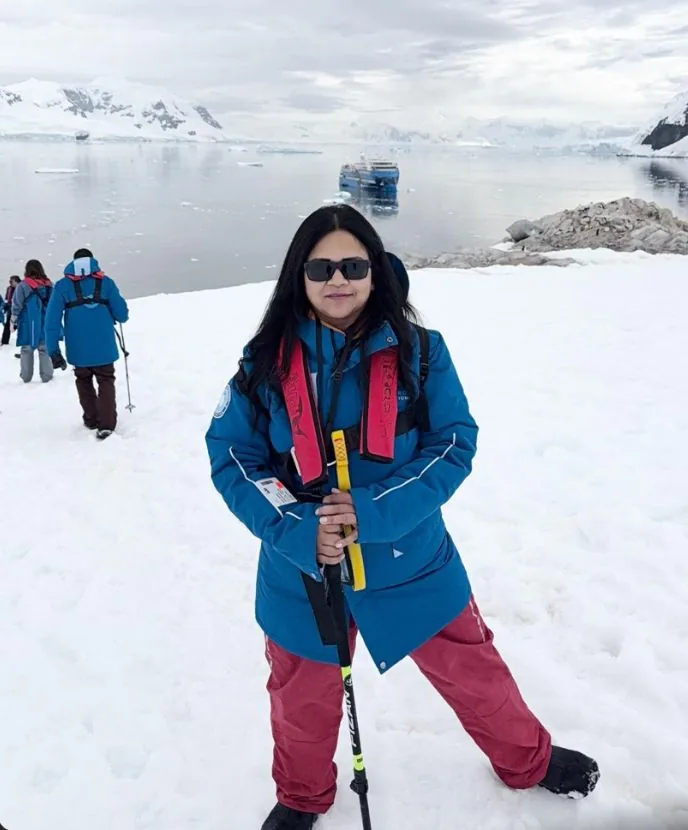
My journey into expedition travel didn't begin in a travel office, it began as a traveler myself.
The first time I ventured into the polar world, I discovered something difficult to put into words. Standing among enormous glaciers, watching wildlife in its natural habitat, and experiencing the silence and scale of these remote landscapes changed the way I thought about travel.
One expedition led to another.
Over the years, I have traveled extensively through the polar regions—journeying to Antarctica multiple times and exploring the Arctic, Svalbard, Greenland and Lapland. What began as a personal passion gradually became something much bigger.
Today, I travel not only as an explorer, but also as a group leader, organizing and accompanying groups on journeys to the Arctic and Antarctic regions. There is something incredibly rewarding about watching someone experience these places for the first time—seeing their reaction to their first iceberg, their first penguin colony, a polar bear in the wild, or the Northern Lights dancing overhead.
Before You Go
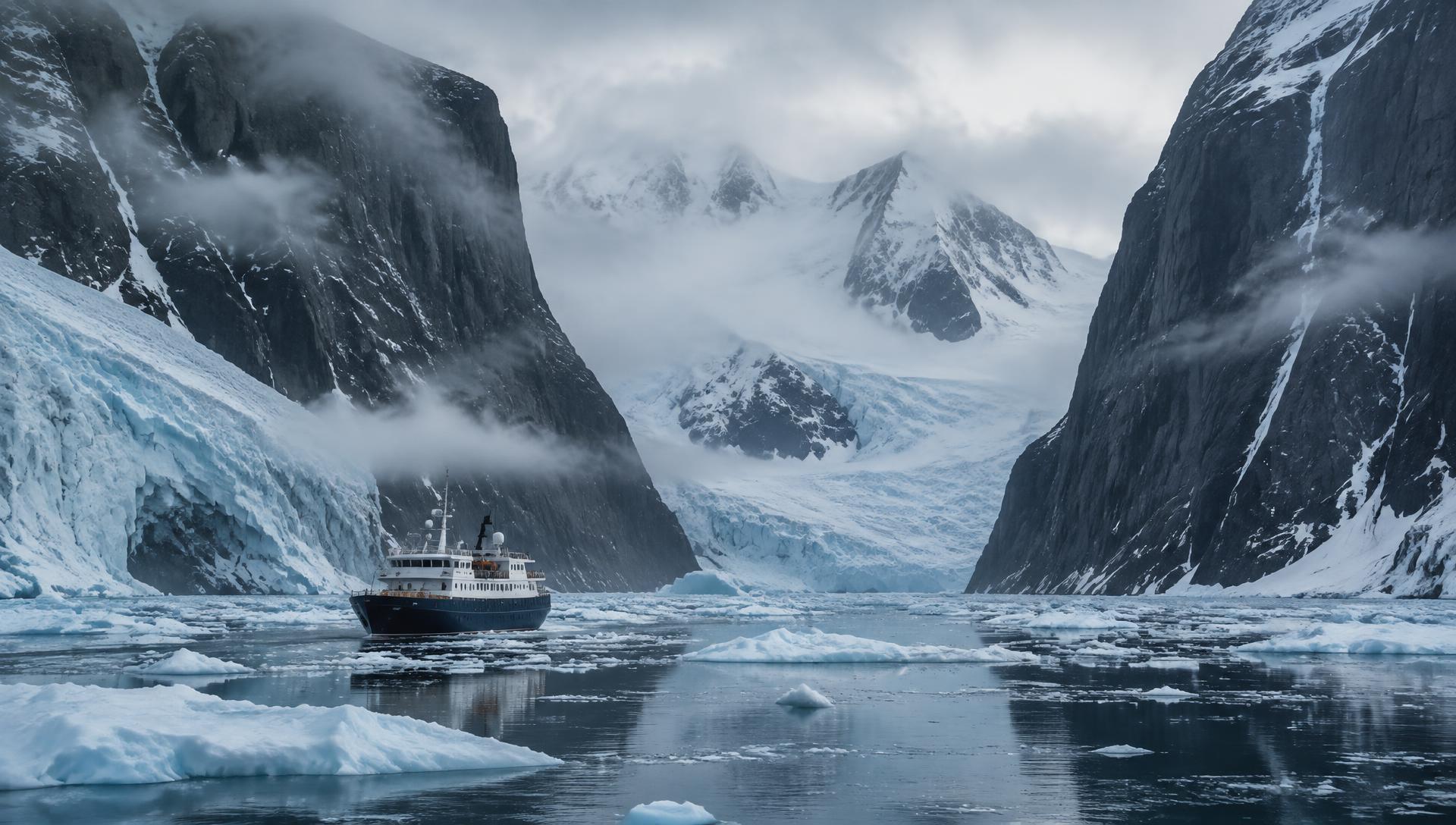
Antarctic Expedition: Everything You Need to Know Before You Go
01Why Visit Antarctica?
Antarctica is truly unlike any other place on Earth. Its untouched beauty, endless ice formations, and extraordinary wildlife create an experience that feels almost surreal. Standing amidst towering glaciers and curious penguins, it’s hard to believe such a pristine world exists. A journey here changes the way you see our planet and yourself. If you can make it happen, visit Antarctica at least once in your lifetime. It’s pure magic.
02When Is the Best Time to Go?
The Antarctic summer lasts from late October to March, but the ideal time to visit is between mid-November and mid-January. During these months, the continent is at its most breathtaking — long daylight hours, golden sunsets that seem to last forever, and dazzling white landscapes covered in fresh snow.
This is also when wildlife activity peaks. Penguins are nesting and mating, whales begin their feeding season, and seals bask on floating ice. The weather is milder, the ice is still abundant, and every view feels like a postcard come to life.
03How to Get There: The Best Ways to Reach Antarctica
1. By Expedition Cruise (Most Popular & Practical)
Most travelers start their adventure from Ushuaia, Argentina, the southernmost city in the world. From there, ships cross the legendary Drake Passage — a two-day journey that builds excitement for what’s to come.
Why choose this route:
- It offers the most authentic and immersive Antarctic experience.
- You’ll enjoy Zodiac rides, penguin colonies, icebergs, and glacier landings.
- A range of ships is available — from ultra-luxury (Silversea, Ponant, Scenic Eclipse) to adventure-focused vessels (Albatros, Quark, Oceanwide).
Duration:
Around 10–12 days for a classic Antarctic Peninsula trip, and 15–20 days if including South Georgia and the Falkland Islands.
Best Time:
Mid-November to late January — for calm seas, active wildlife, and endless daylight.
2. Fly-Cruise Option (For Those Avoiding the Drake Passage)
If you’d rather skip the rough seas, you can fly from Punta Arenas, Chile, to King George Island in the South Shetland Islands, and board your expedition ship there.
While this saves time, it’s costlier (typically $15,000–$30,000) and flights can be weather-dependent. For this reason, around 95% of visitors choose the cruise option, which also offers a richer sense of adventure.
04Choosing the Right Expedition Ship
In Antarctica, smaller ships offer bigger experiences.
Vessels with 200 passengers or fewer allow all guests to go ashore, take Zodiac rides, and explore remote sites up close. Smaller ships also foster a friendly atmosphere — easy to meet fellow travelers, share stories, and make lifelong friends.
Plus, under IAATO (International Association of Antarctica Tour Operators) regulations, only smaller ships can access certain exclusive landing sites.
05Activities During an Antarctic Expedition
There’s far more to do than you might imagine! Depending on your ship and itinerary, you can enjoy:
- Camping on the ice (a truly once-in-a-lifetime experience)
- Kayaking among icebergs and seals
- Snowshoeing across untouched landscapes
- Zodiac cruises for close encounters with wildlife
- The famous Polar Plunge — a thrilling dip into icy Antarctic waters
(Some activities may cost extra, depending on the ship and itinerary.)
06What’s the Weather Like?
From November to March, Antarctica experiences its austral summer. Expect milder temperatures, ranging from 32°F to 50°F (0°C to 10°C) on the Peninsula. Days are long and bright, though cold winds can sweep in at any time. This is the most accessible period, as sea ice breaks up enough for ships to navigate safely.
07What Does the Ship Provide?
Expedition ships typically provide:
- Insulated parkas, often yours to keep as a souvenir
- Rubber boots, loaned for all shore landings
These ensure you stay warm, dry, and comfortable throughout the trip.
08Age Limit for Travelers
There’s no strict age limit, but most expeditions require participants to be at least 12 years old. Families with teenagers often find it to be an unforgettable bonding experience.
09Food on Board
Expect excellent meals — healthy, diverse, and designed for all diets. Whether you’re vegan, vegetarian, or a meat lover, the dining experience is top-notch and often includes regional specialties prepared fresh by onboard chefs.
10Why It’s Called an “Expedition,” Not a “Cruise”
These trips are called expeditions because they’re about exploration, learning, and adventure — not luxury entertainment.
The ships are smaller, purpose-built for icy waters, and led by expert guides who are often scientists with advanced degrees in marine biology, geology, or glaciology. Every landing, Zodiac ride, and lecture deepens your understanding of this remarkable environment.
11How Much Does It Cost?
Prices vary depending on the operator, ship type, number of days in the trip, and cabin category.
Expect to spend $7,000 to $30,000 per person for a quality expedition. Luxury options with balconies or suites cost more, while shared cabins offer good savings.
12Can You Travel Solo?
Absolutely! Many travelers go solo — it’s very common. Once aboard, you’ll quickly feel part of a close-knit community that shares your love for adventure. From personal experience after two expeditions, I can say you’ll form friendships that last a lifetime.
If you book solo, most expedition companies will pair you with a cabin mate of the same gender and similar age. The crowd tends to be well-traveled, friendly, and curious — the perfect company for such an extraordinary journey.
Traveller Stories
Words From Our Travellers
MonArc turned our bucket-list dream into an absolute masterpiece. Between the luxury of our expedition ship and the unmatched expertise of our onboard naturalists, every single detail of our Antarctica voyage felt completely tailored to us.
Sudha You don't just travel with MonArc; you gain an entirely new perspective on the world. Their team crafted a seamless blend of remote polar cruising and expert-guided land exploration in Iceland that we could never have put together on our own.
Ashwini From stepping off the Zodiac onto pristine Arctic ice to the personalized itinerary that kept us a step ahead of the crowds, MonArc Expeditions delivered the trip of a lifetime.
Maria Sailing through the towering icebergs of Disko Bay aboard our expedition ship felt entirely surreal. MonArc customized our route so we could spend extra time hiking the tundra and meeting local communities—it was Greenland at its most authentic.
Denise Greenland had been on our radar for a decade, but we didn't know how to tackle its vast, roadless coast. MonArc's expert guides and personalized itinerary made navigating the fjords effortless, safe, and deeply inspiring.
Andy